Septic Systems in Sandy Soils.
Introduction
Septic effluent dispersal in sandy soil requires careful consideration due to the unique properties of sandy soils, which can pose significant environmental and health risks.
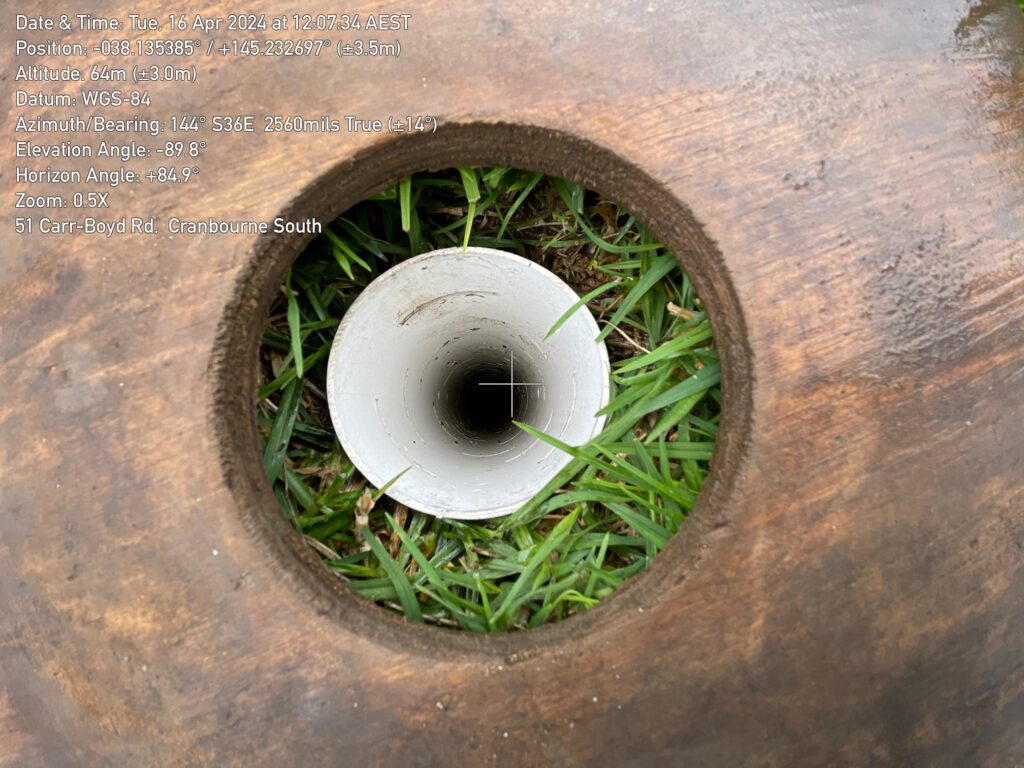
Septic effluent dispersal in sandy soil requires careful consideration due to the unique properties of sandy soils, which can pose significant environmental and health risks. Sandy soils are characterised by high permeability and low nutrient retention, meaning that water and contaminants can move through them quickly. This rapid movement of effluent through sandy soil can result in insufficient treatment of the wastewater before it reaches groundwater or nearby waterways. Nutrients such as nitrogen and phosphorus, along with pathogens, can bypass the soil’s limited filtration capacity, leading to contamination of drinking water sources and the degradation of aquatic ecosystems.
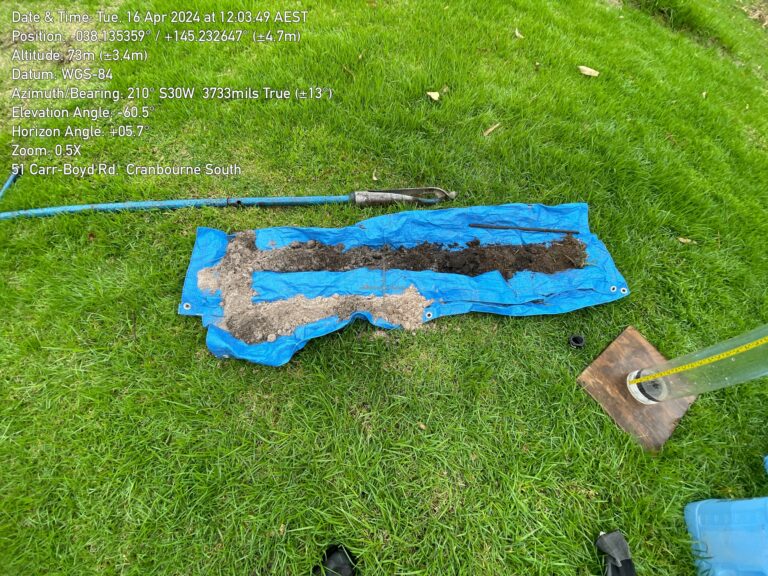
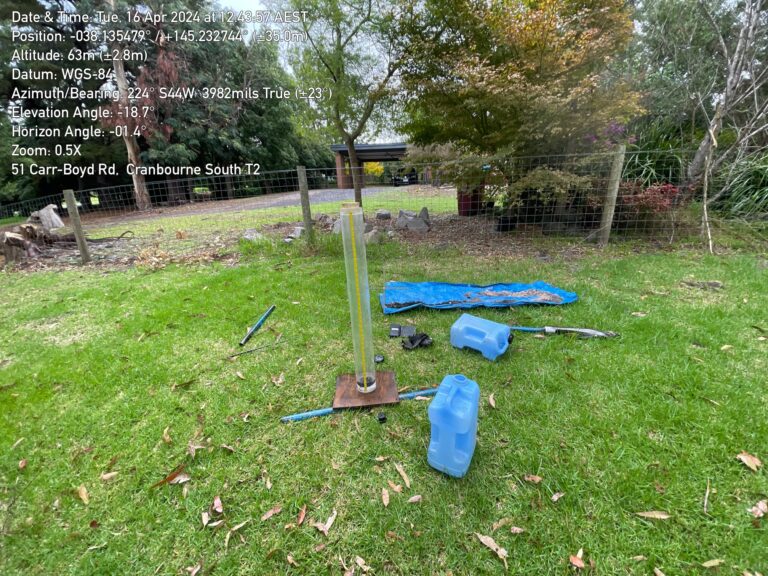
A Land Capability Assessment (LCA) is crucial in these scenarios as it provides a detailed analysis of the soil’s characteristics and its capacity to treat and absorb effluent. Through field tests and laboratory analysis, an LCA evaluates factors such as soil texture, structure, permeability, and depth to the water table. For sandy soils, this assessment can reveal the extent to which the soil can retain and degrade contaminants. It helps identify potential risks associated with nutrient leaching and the rapid movement of untreated effluent. The LCA can also guide the design and placement of the septic system, suggesting modifications or additional treatment methods to enhance effluent treatment in sandy soils.
Without proper nutrient removal and water polishing qualities, sandy soils allow effluent to travel swiftly towards groundwater or surface waters, posing a threat to water quality. Nutrients from septic effluent, particularly nitrogen, can lead to groundwater contamination and contribute to eutrophication (the process in which a water body becomes overly enriched with nutrients and depletes oxygen, leading to the plentiful growth of simple plant life), in surface waters, and harms aquatic life. Pathogens can also reach groundwater, posing a public health risk. Therefore, understanding the limitations of sandy soils through a comprehensive LCA is essential for ensuring that septic systems are designed and managed in a way that protects water resources and public health. Effective mitigation strategies, such as the incorporation of advanced treatment units or increased setback distances, can be implemented based on the LCA findings to minimise environmental impact. Contact Chris at for a friendly chat regarding your LCA requirements or to obtain a detailed obligation free quote.
Need quote? Contact Us Here!